Key Takeaways:
- RV utility hookups include 30-amp or 50-amp electrical, fresh water connections, and sewer disposal systems
- High altitude camping in Colorado requires surge protectors and pressure regulators due to weather variations
- Professional delivery services handle complex hookups while teaching basics for troubleshooting confidence
- Generator performance decreases by 3% per 1,000 feet of elevation, affecting power needs at Pikes Peak area campgrounds
RV utility hookups provide electrical power, fresh water supply, and waste disposal connections at campgrounds, with delivery services managing the technical setup while teaching essential basics for first-time RVers. Understanding how to hook up RV utilities at a campground becomes especially important when dealing with Colorado’s high-altitude camping conditions.
For newcomers exploring the Colorado Springs area, the elevation changes from Peyton’s 6,200 feet to nearby mountain passes create unique challenges that standard RV guides overlook. RV rentals in Peyton eliminate the guesswork while providing hands-on education during setup.
The Pikes Peak region attracts over 500,000 RV visitors annually, yet many first-timers arrive unprepared for altitude-related utility considerations. Learning how to hook up RV utilities at a campground properly covers what delivery professionals handle versus what every RVer needs to know for troubleshooting and confidence.
What RV Utilities Do You Need at a Campground?
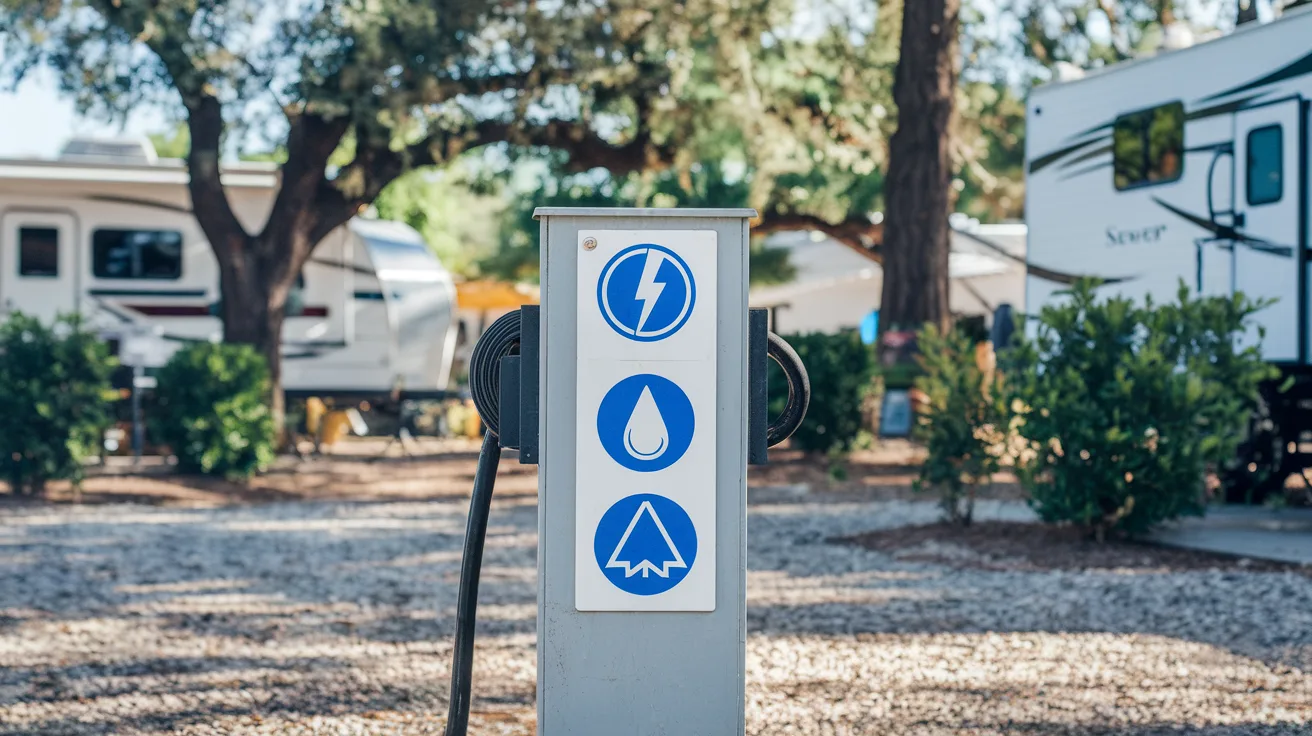
Three essential utility connections power your RV experience: electrical service for appliances and lighting, fresh water supply for cooking and bathing, and sewer hookups for waste disposal.
Electrical connections come in two standard formats. A 30-amp connection provides 3,600 watts of power, sufficient for basic appliances, lighting, and one air conditioning unit. The 50-amp service delivers 12,000 watts, supporting multiple air conditioners, electric heat, and simultaneous appliance operation.
Colorado campgrounds present specific electrical considerations. Garden of the Gods RV Resort offers 50-amp service at all sites, while Cheyenne Mountain State Park provides 30-amp connections with limited 50-amp availability. Colorado Springs KOA features both options but charges premium rates for 50-amp sites during peak season from June through September.
Fresh water systems connect through a standard ¾-inch threaded fitting. Your RV’s fresh water tank typically holds 20-100 gallons depending on unit size, but campground hookups provide unlimited supply for extended stays.
Sewer connections handle two waste streams. Gray water from sinks, showers, and washing machines flows through one system. Black water from toilets requires separate handling through dedicated tanks and connections.
At Peyton-area elevations, water pressure variations affect all three systems. Campgrounds at 7,000+ feet often experience pressure drops during peak usage hours from 6-9 AM and 5-8 PM.
How Do You Connect RV Electrical at Colorado Campgrounds?
Match your RV’s electrical plug to the campground pedestal connection, using either 30-amp or 50-amp service with surge protection essential for Colorado’s variable mountain weather.
Mountain weather creates electrical challenges unknown at sea level. Lightning strikes occur 25% more frequently above 6,000 feet elevation. Temperature swings of 40+ degrees between day and night stress electrical connections.
Pedestal identification varies by campground age and maintenance. Newer facilities like Garden of the Gods RV Resort feature weatherproof pedestals with GFCI protection and LED indicator lights. Older campgrounds may have exposed connections requiring extra caution during Colorado’s afternoon thunderstorms.
Surge protector selection depends on your RV’s electrical system. A 30-amp surge protector costs $150-300 and handles voltage spikes up to 4,200 joules. The 50-amp units range from $300-500 with protection up to 8,400 joules.
Progressive Industries and Surge Guard manufacture the most reliable units for Colorado conditions. Their devices shut off power automatically when voltage drops below 102 volts or exceeds 132 volts—common occurrences during peak usage at Pikes Peak area campgrounds.
Troubleshooting electrical issues starts with checking your RV’s main breaker panel. Tripped breakers often result from overloading 30-amp service with multiple high-draw appliances. Reset the breaker and reduce electrical load before reconnecting.
Campground electrical systems at elevation experience unique problems. Cheyenne Mountain State Park reports voltage fluctuations during summer peak times when all 51 campsites draw maximum power simultaneously.
What’s the Correct Water Hookup Process?
Connect a white potable water hose from the campground spigot to your RV’s water inlet, using a pressure regulator to prevent damage from Colorado’s variable water pressure systems.
Pressure regulation prevents costly damage to RV plumbing systems. Colorado campgrounds deliver water at 40-80 PSI, but RV systems handle maximum 60 PSI safely. A quality pressure regulator costs $25-50 and prevents hundreds in repair bills.
Water quality considerations vary significantly across Colorado campgrounds. Municipal connections at Colorado Springs KOA provide treated city water meeting EPA standards. Mountain campgrounds often use well water with higher mineral content affecting taste and appliance performance.
Hose selection matters for safety and taste. White or blue hoses rated for potable water prevent chemical leaching. Standard garden hoses contain materials unsafe for drinking water. A 25-foot drinking water hose costs $40-60 and handles most campsite configurations.
Altitude affects water systems in unexpected ways. Water boils at 198°F at Colorado Springs elevation versus 212°F at sea level. This impacts hot water heater performance and cooking times.
Winter considerations become critical above 6,000 feet elevation. Nighttime temperatures drop below freezing from October through April. Campgrounds shut off water to prevent pipe damage, limiting RV camping to self-contained units only.
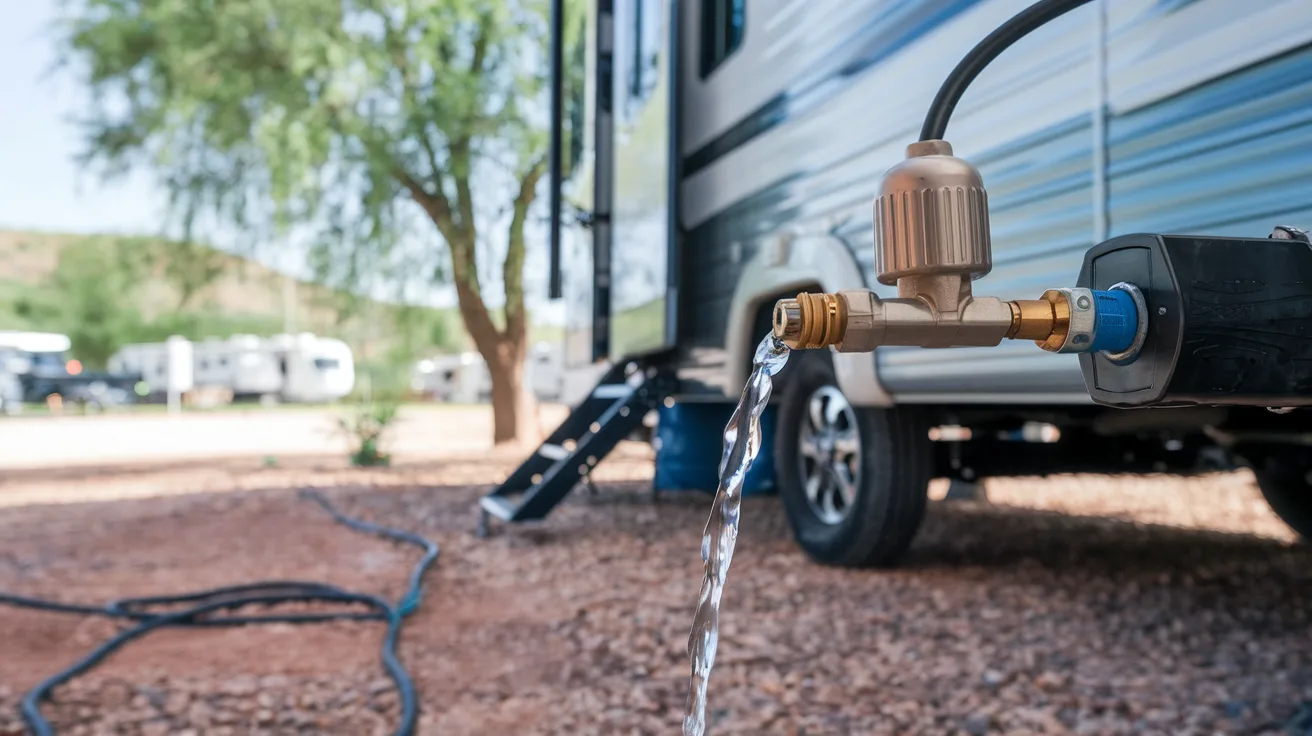
Pressure variations at Pikes Peak area campgrounds reflect infrastructure age. Garden of the Gods maintains consistent 45-55 PSI through modern pressure-reducing stations. Older campgrounds experience pressure drops during peak usage requiring larger fresh water storage for consistent supply.
How Do You Handle RV Sewer Connections Safely?
Connect your sewer hose from the RV’s waste outlet to the campground’s sewer drain, ensuring proper downward slope and secure fittings to prevent spills and backups.
Sewer hose assembly requires attention to slope and support. The hose must angle downward continuously from RV to drain. Sag in the middle creates backups and messy spills. Sewer hose supports every 5 feet maintain proper drainage angle.
Gray versus black water management follows specific protocols. Gray water contains soap and food particles from sinks and showers. Black water contains human waste requiring careful handling with dedicated hoses and fittings never used for fresh water.
Professional delivery services handle initial sewer hookup while teaching proper techniques. The process involves connecting the bayonet fitting securely, checking for leaks, and verifying proper drainage flow before departing.
Dump station procedures at Colorado campgrounds follow strict protocols. Peak usage occurs Sunday afternoons and Monday mornings as weekly campers depart. Cheyenne Mountain State Park’s single dump station creates 20-minute waits during peak times.
Colorado Springs KOA offers three dump stations reducing wait times but charges $15 for non-guests. Garden of the Gods includes unlimited dump station access for registered campers.
Safety equipment includes disposable gloves, antibacterial wipes, and a sewer hose support system. Quality sewer hoses cost $75-150 and include swivel fittings preventing twisting and binding.
What Utility Challenges Are Unique to Colorado Camping?
High altitude reduces generator efficiency by 3% per 1,000 feet, temperature extremes stress electrical systems, and seasonal utility shutoffs limit camping options at mountain locations.
Generator performance decreases predictably with elevation. A 4,000-watt generator produces only 3,280 watts at Colorado Springs elevation. At 10,000 feet near mountain passes, the same unit generates just 2,800 watts—insufficient for air conditioning operation.
Fuel consumption increases correspondingly. Generators burn 15-20% more fuel at Colorado elevations maintaining the same power output. A typical 30-foot Class C RV with a 4,000-watt Onan generator consumes 0.6 gallons per hour at sea level but 0.75 gallons hourly at Pikes Peak area elevations.
Temperature stress affects all electrical systems. Daily temperature swings from 35°F at dawn to 85°F by afternoon expand and contract electrical connections. Loose connections cause power interruptions and potential fire hazards.
Seasonal utility availability varies dramatically by elevation. Campgrounds below 7,500 feet maintain water service from April through October. Higher elevation facilities shut down utilities from November through March preventing pipe freeze damage.
Mueller State Park closes water systems by October 15th annually. Eleven Mile State Park extends service through Halloween weekend weather permitting. Planning requires checking individual campground utility schedules rather than assuming year-round availability.
Propane system considerations also change at altitude. Propane burns less efficiently in thin air affecting heating and cooking performance. RV furnaces work harder maintaining comfortable temperatures, consuming propane 25% faster than sea level operation.
Should You Hook Up Utilities Yourself or Use Delivery Service?
Professional delivery services handle technical utility connections while teaching essential basics, making them ideal for first-time RVers or anyone preferring hassle-free setup with educational value.
Delivery service advantages extend beyond simple convenience. Experienced technicians identify campground-specific issues like low voltage or inadequate water pressure before problems affect your stay. They carry backup equipment including adapters, surge protectors, and pressure regulators.
The educational component proves essential for building confidence. Technicians explain each connection while demonstrating how to hook up RV utilities at a campground properly. Customers learn troubleshooting basics without the stress of figuring out complex systems independently.
What’s included versus what you handle varies by service level. Basic delivery includes utility hookup, leveling, and system checks. Premium service adds awning setup, slide-out operation, and interior orientation covering appliance operation and safety systems.
Cost comparison favors delivery service for most situations. DIY setup saves $75-150 in delivery fees but risks mistakes costing hundreds in damage. Incorrect electrical connections damage RV systems. Improper sewer hookup creates expensive cleanup situations.
Time investment also factors into the decision. Experienced RVers complete utility hookup in 30-45 minutes. First-timers often spend 2+ hours troubleshooting connections and reading manuals. Delivery service completes professional setup in 20 minutes while providing hands-on education.
Learning opportunity during professional setup builds long-term confidence. Customers observe proper techniques, ask questions, and gain troubleshooting knowledge for future trips. This educational approach reduces anxiety while building practical skills for family RV vacations.
What Utility Issues Should You Know How to Troubleshoot?
Common utility problems include tripped electrical breakers, insufficient water pressure, and sewer connection backups, with basic solutions every RVer should understand before calling maintenance.
Electrical troubleshooting starts with systematic checking. No power typically indicates tripped breakers either in your RV’s panel or at the campground pedestal. Low voltage causes appliances to run poorly or fail to start. Voltage meters cost $20 and provide quick diagnosis.
Dim lights or slow-running fans indicate voltage drop below 110 volts. This common problem at older campgrounds requires moving to a different site or limiting electrical usage during peak hours. Some campgrounds experience voltage drops affecting entire loops during hot afternoons when air conditioner demand peaks.
Water flow problems have multiple causes. Low pressure affects the entire campground during peak usage hours. Individual site issues include clogged pressure regulators or kinked supply hoses. Removing and cleaning pressure regulator screens solves most flow problems.
No water flow indicates closed campground valves or failed pressure regulators. Bypass the regulator temporarily to determine if it’s functioning properly. Replace failed regulators immediately to prevent RV system damage from pressure surges.
Sewer backup prevention requires understanding gray and black water systems. Gray water backups result from grease buildup or improper hose slope. Black water problems indicate full tanks or blocked sewer connections.
Regular tank monitoring prevents most sewer issues. Empty gray water tanks every 2-3 days during normal use. Black water tanks require emptying when 2/3 full to maintain proper function.
When to call campground maintenance depends on problem location. Issues at the pedestal or campground infrastructure require maintenance assistance. Problems with your RV systems need either self-service or professional RV repair.
Colorado campgrounds maintain 24-hour emergency contact for utility failures affecting safety. Non-emergency issues receive attention during business hours typically 8 AM to 6 PM.
How Do Pikes Peak Area Campgrounds Compare for Utility Quality?
Newer campgrounds offer 50-amp electrical service with consistent water pressure, while established facilities may have aging infrastructure requiring patience during peak usage periods.
Garden of the Gods RV Resort provides premium utility infrastructure throughout their 120 sites. All sites feature 50-amp electrical service with GFCI protection and surge suppression. Water pressure maintains consistent 50 PSI through pressure-reducing stations serving each loop.
Sites 45-60 offer the most reliable utilities with newer underground infrastructure installed during 2023 renovations. These premium sites command $15-25 nightly surcharge during peak season but deliver consistent performance.
Colorado Springs KOA features mixed utility quality reflecting incremental upgrades over 40+ years of operation. Loop A sites 1-25 received complete utility replacement in 2024 including 50-amp service and improved sewer connections. Older loops B and C provide 30-amp service with occasional voltage fluctuations during peak usage.
Water pressure varies significantly between loops. Loop A maintains 45-55 PSI consistently. Loop B drops to 25-30 PSI during morning and evening peak periods. Loop C requires pressure boosting pumps for adequate shower pressure in larger RVs.
Cheyenne Mountain State Park offers reliable basic utilities designed for self-sufficient camping. All 51 sites provide 30-amp electrical service with 8 sites offering 50-amp connections in Loop B sites 15-22.
Water service operates April through October with consistent 40 PSI pressure. Seasonal shutoff prevents winter damage but limits camping to self-contained units from November through March.
Booking recommendations for optimal utility access require advance planning. Reserve Loop A sites at Colorado Springs KOA for best utility performance. Request sites 45-60 at Garden of the Gods for premium infrastructure. Book Cheyenne Mountain sites 15-22 for 50-amp service availability.
Peak season reservations (June-September) require 30-60 day advance booking for preferred sites. Off-season availability increases but utility seasonal shutoffs limit options at higher elevations.
What Utility Supplies Should You Keep On Hand?
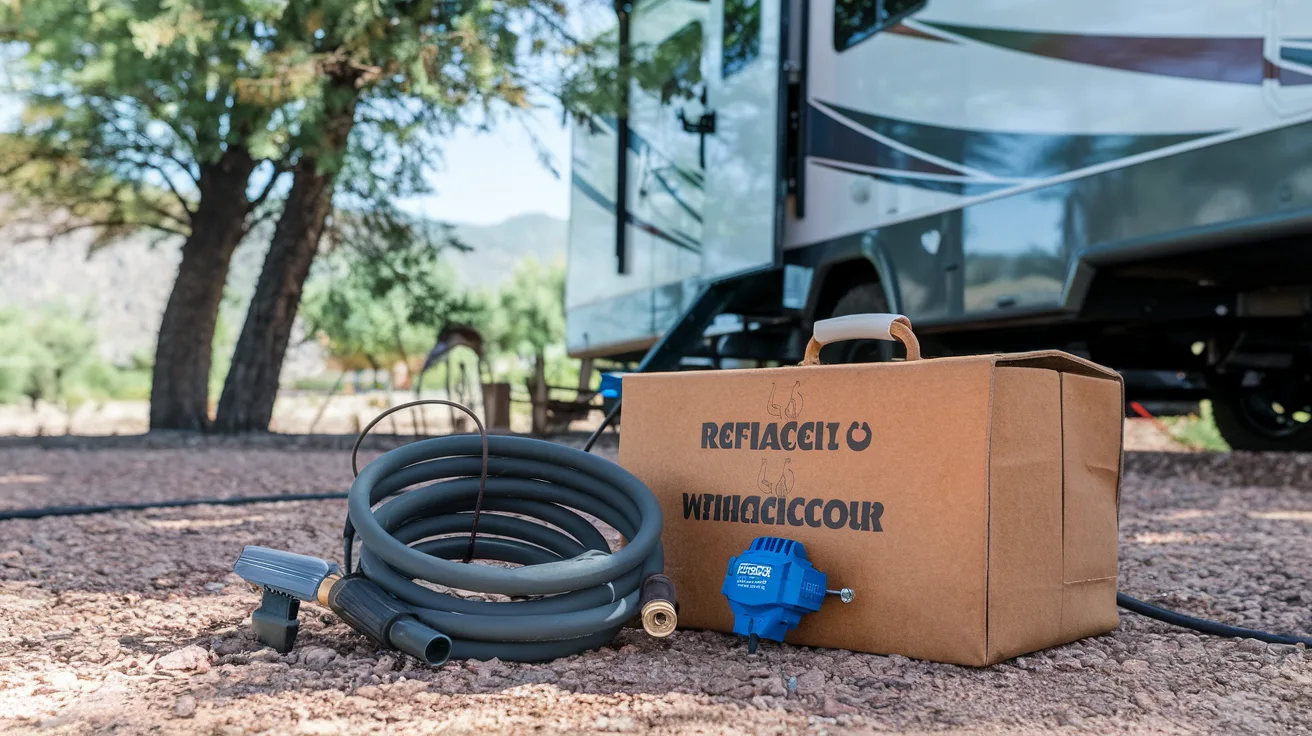
Essential utility accessories include a quality surge protector, water pressure regulator, extra sewer hose sections, and electrical adapters for different campground configurations.
Must-have electrical supplies start with surge protection appropriate for your RV’s electrical system. Progressive Industries EMS-HW30C provides 30-amp protection for $279 as of February 2025. The 50-amp equivalent EMS-HW50C costs $349 and handles higher electrical loads safely.
Electrical adapters accommodate different pedestal configurations. A 50-amp to 30-amp adapter allows using 30-amp service with 50-amp RVs, though total power remains limited to 3,600 watts. These adapters cost $25-40 and prove essential at older campgrounds.
Water system essentials include pressure regulators rated for RV use. Watts RV-PRV provides reliable pressure regulation for $35-45. Replace regulator screens annually or when flow decreases noticeably.
Water filters improve taste and protect appliances from sediment damage. Camco TastePURE filters cost $15-25 and attach between the hose and RV inlet. Replace filters every season or after 1,000 gallons usage.
Sewer system supplies require durable construction for reliable operation. Camco Revolution sewer hoses include swivel fittings preventing binding and twisting. A complete 20-foot kit costs $85-120 and includes storage case and support accessories.
Disposable gloves and antibacterial wipes maintain sanitary conditions during sewer operations. Stock 50-count glove boxes and antibacterial wipes for the entire camping season.
Colorado-specific recommendations address altitude and weather challenges. Carry electrical tape for securing connections during wind storms common in spring months. Pack extra fuses for RV electrical panels since voltage fluctuations stress electrical components.
Emergency backup options include portable water containers and battery-powered equipment. Five-gallon water containers provide emergency supply during utility outages. LED lanterns with USB charging maintain lighting and device power during electrical problems.
Understanding how to hook up RV utilities at a campground becomes especially important when preparing emergency supplies and troubleshooting equipment. For more guidance on preparing for your trip, check out these RV rental tips that cover utility preparation and other essentials.
Frequently Asked Questions
Do I need 30-amp or 50-amp electrical service for my RV?
Check your RV’s electrical inlet and main breaker panel rating. RVs under 30 feet typically use 30-amp service, while larger units with multiple air conditioners require 50-amp connections.
What happens if campground water pressure is too high for my RV?
Excessive water pressure damages RV plumbing, fixtures, and appliances. Always use a pressure regulator rated for 40-60 PSI maximum to protect your system from campground pressure surges.
Can I dump gray water and black water at the same time?
Never dump black water and gray water simultaneously. Empty black water first, then use gray water flow to rinse the sewer hose clean before disconnecting.
Why does my generator run poorly at Colorado campgrounds?
Generator efficiency decreases 3% per 1,000 feet of elevation due to reduced air density. A 4,000-watt generator produces only 3,280 watts at Colorado Springs elevation of 6,000 feet.
How do I know if a campground has reliable utilities before booking?
Read recent reviews focusing on utility performance, call campgrounds directly about electrical amperage and water pressure, and check campground websites for infrastructure upgrade information and seasonal utility schedules.
What should I do if my RV electrical system keeps tripping breakers?
Reduce electrical load by turning off non-essential appliances, check for damaged cords or connections, and verify campground voltage isn’t dropping below 108 volts using a digital multimeter.
Are utility hookups the same at all Colorado campgrounds?
No, utility quality varies significantly between campgrounds based on infrastructure age and maintenance. Newer facilities offer 50-amp service and consistent water pressure, while older campgrounds may have limitations during peak usage.
When do mountain campgrounds shut off utilities for winter?
Most Colorado campgrounds above 7,500 feet shut off water systems between October 15 and November 1 to prevent freeze damage. Electrical service typically continues year-round at accessible campgrounds.
—
Fireside RV Rental — Rental availability, pricing, and terms may vary by location.