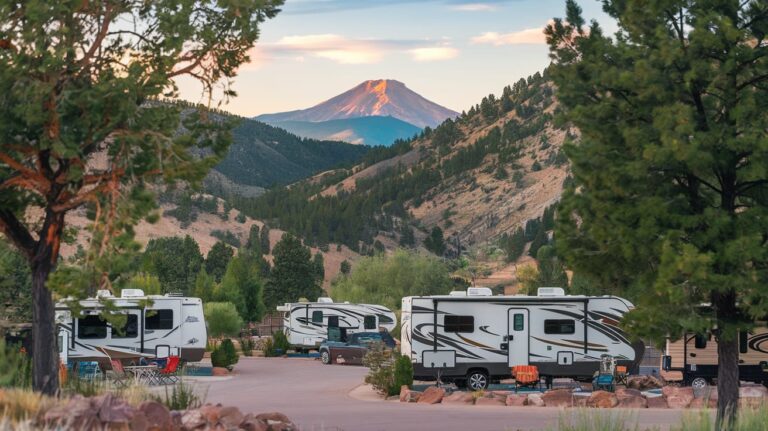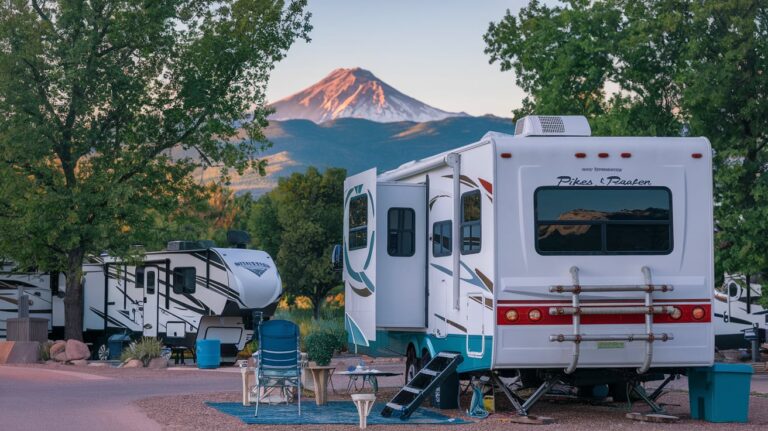
Colorado’s high country doesn’t mess around, and neither should your packing strategy. The altitude shifts, mountain weather swings, and rugged terrain around Peyton demand more than your typical camping gear list.
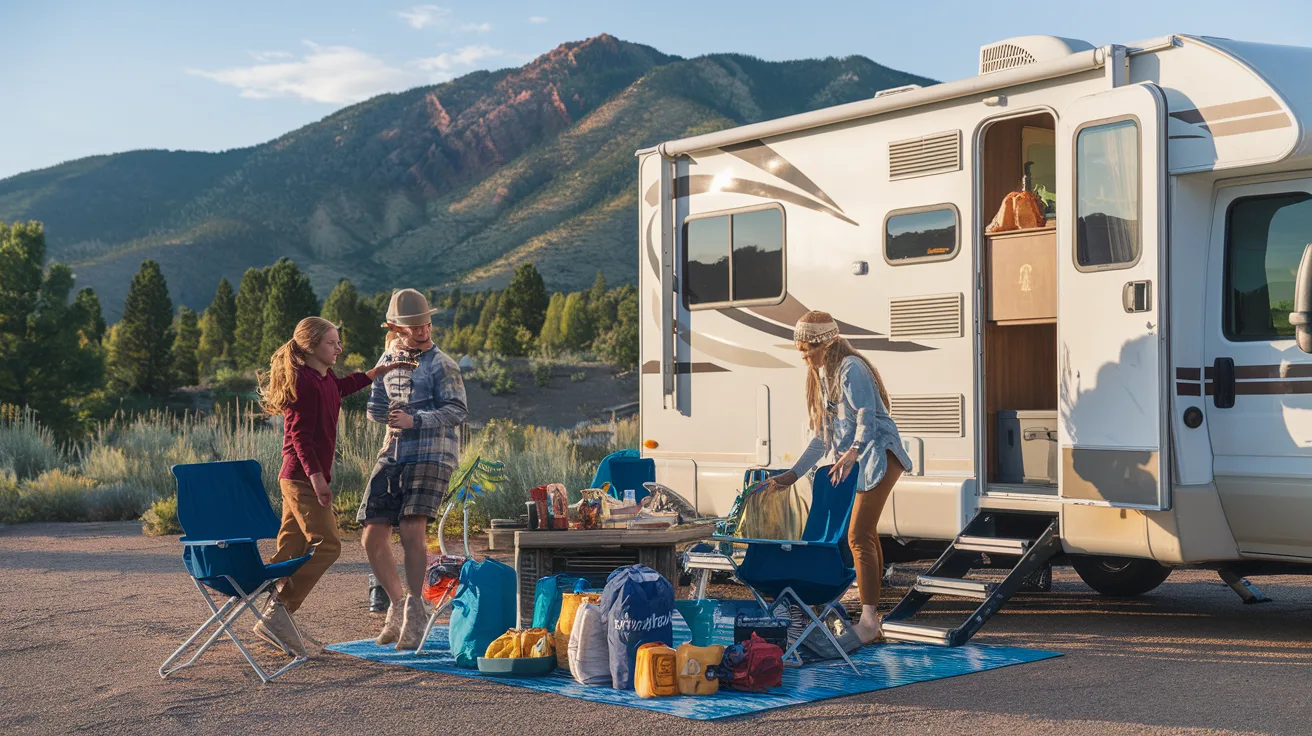
What essentials should you pack for high-altitude RV camping in Colorado?
High-altitude RV camping requires altitude sickness medication, four-season bedding, portable oxygen, water purification tablets, and cold-weather gear.
The thin mountain air hits differently than sea-level camping. At 6,000+ feet around Peyton, your body needs time to adjust. Pack acetaminophen or ibuprofen for headaches, and consider consulting your doctor about altitude sickness medication if you’re coming from lower elevations.
Temperature swings of 40+ degrees between day and night aren’t uncommon. Your RV’s heating system works harder at altitude, so bring extra blankets and layers. Four-season sleeping bags rated for at least 20°F below the forecasted low give you a safety buffer.
For RV adventures starting in Peyton, our RV rentals come equipped with basic necessities, but Colorado’s mountain environment demands specialized preparation.
How do you pack kitchen essentials for extended RV road trips?
Pack lightweight cookware, altitude-adjusted recipes, cast iron skillet, coffee essentials, and collapsible storage containers for maximum efficiency.
Cooking at altitude changes everything. Water boils at lower temperatures, baking requires recipe adjustments, and your morning coffee might taste off until you figure out the new brewing ratios. Bring a simple altitude cooking chart (add 15-25°F to cooking temps, reduce leavening agents by 25%).
A good cast iron skillet handles everything from morning eggs to campfire cooking. Dutch ovens work brilliantly for one-pot meals that free up your evening for stargazing instead of dishwashing.
Stock up on non-perishables before hitting remote areas. Canned goods, dried fruits, nuts, and shelf-stable milk stretch your grocery budget and reduce shopping stops. Collapsible storage containers maximize precious cabinet space.
The Colorado State Parks website lists facilities at each campground, helping you plan meal prep around available amenities.
Which clothing items work best for Colorado’s unpredictable mountain weather?
Layerable merino wool base layers, waterproof outer shells, insulated boots, sun hats, and moisture-wicking hiking pants handle Colorado’s weather extremes.
Forget cotton entirely. It kills in mountain weather. Merino wool regulates temperature, dries quickly, and doesn’t hold odors during multi-day adventures. Pack three base layer weights: lightweight for hiking, medium for general wear, and heavyweight for chilly evenings.
Your outer shell makes or breaks outdoor comfort. A quality rain jacket with pit zips handles sudden afternoon thunderstorms common in Colorado springs and summers. Look for jackets that pack small but perform big.
Honestly? Most people underestimate how intense Colorado sun feels at altitude. UV exposure increases 4-5% per 1,000 feet of elevation. Wide-brimmed hats, quality sunglasses, and long-sleeve hiking shirts prevent painful sunburns that ruin vacation days.
Insulated, waterproof boots handle morning frost, muddy trails, and creek crossings. Breaking in new boots during your RV trip ranks among life’s worst decisions.
What safety and emergency gear belongs in every mountain RV?
Essential safety gear includes first aid kit, emergency communication device, tire chains, jumper cables, flashlights, and 72-hour emergency food supply.
Mountain emergencies escalate quickly. Cell service disappears in valleys and remote areas around Pikes Peak and Paint Mines Interpretive Park. A satellite communicator or emergency beacon provides peace of mind when exploring backcountry areas accessible by RV.
Your first aid kit needs altitude-specific additions: instant cold packs for injuries, electrolyte packets for dehydration, and medications for altitude sickness. Include a thermometer and basic medications for common ailments.
Tire chains might seem excessive for spring travel, but Colorado weather changes without warning. Late season snow storms hit mountain passes through May. Keep chains sized for your RV’s tires, and practice installing them before you need them.
Multiple light sources prevent dangerous situations. LED headlamps free your hands for repairs or setup tasks. Backup flashlights with extra batteries handle equipment failures.
The National Weather Service provides detailed mountain forecasts, but conditions change rapidly above treeline.
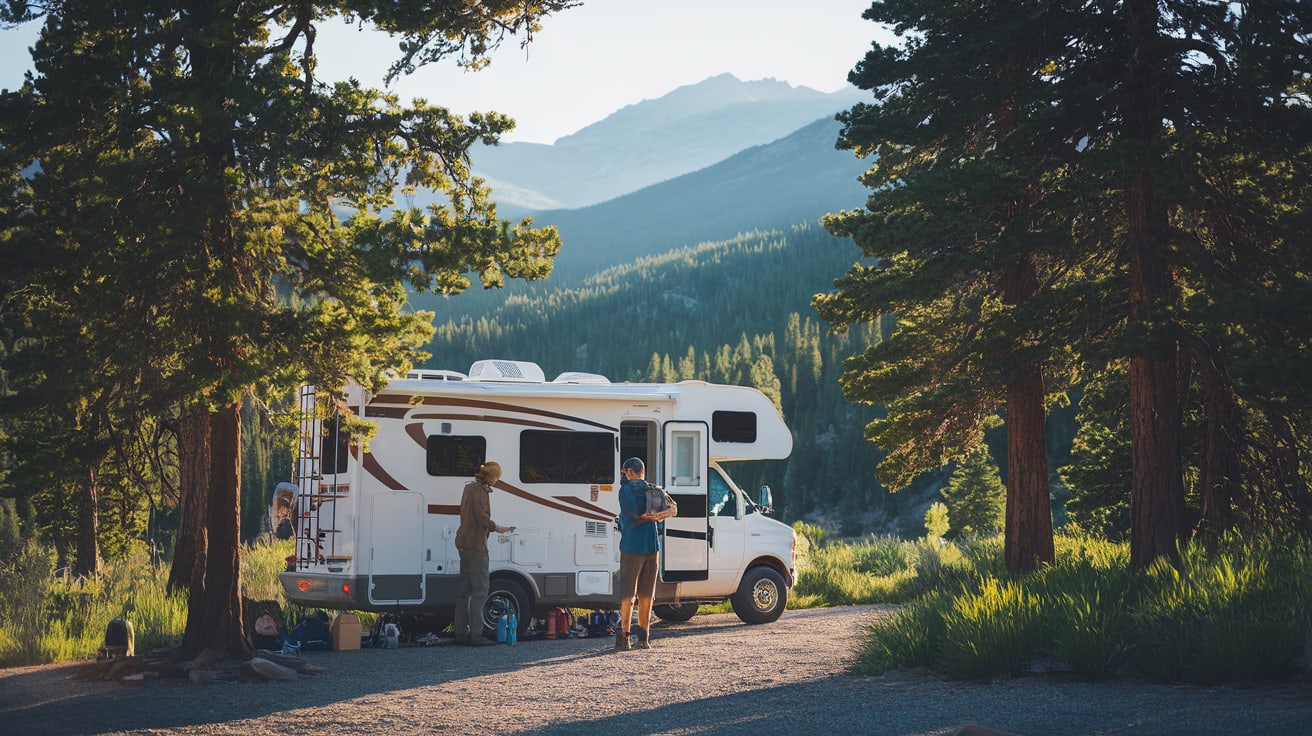
How should you organize personal items for RV living efficiency?
Organize using vacuum storage bags, hanging organizers, drawer dividers, and designated zones for each family member’s belongings.
RV storage space follows different rules than home organization. Vertical space often exceeds horizontal storage. Over-door organizers hold toiletries, cleaning supplies, and small electronics without stealing floor space.
Vacuum storage bags compress bulky clothing and bedding to 75% less space. They’re perfect for seasonal items you won’t need immediately. Just remember: once you vacuum-seal winter coats, accessing them requires unpacking everything.
Create designated zones for each person’s belongings. Kids especially benefit from having “their” cabinet or drawer. It reduces searching time and keeps common areas tidier.
Rolling clothes instead of folding maximizes drawer space and reduces wrinkles. Packing cubes keep similar items together and make unpacking at each stop simpler.
Toiletries leak at the worst possible moments. Double-bag liquids in ziplock bags, and keep cleaning supplies separate from personal items. Trust me on this one.
What recreational gear enhances Colorado RV adventures?
Essential recreational gear includes hiking poles, binoculars, camping chairs, outdoor games, fishing equipment, and photography gear for capturing memories.
Colorado’s trails range from gentle nature walks to challenging peak climbs. Adjustable hiking poles reduce knee strain and improve stability on loose mountain terrain. They collapse for easy RV storage and extend when needed.
Binoculars transform wildlife viewing around Colorado Springs. Elk, deer, and various bird species inhabit the area, and spotting them from a distance respects their space while enhancing your experience.
Quality camping chairs matter more than you’d expect. Cheap chairs break, uncomfortable chairs force you inside, and good chairs become outdoor living rooms. Look for chairs that balance comfort, durability, and storage size.
Colorado’s fishing opportunities span mountain streams, alpine lakes, and reservoirs. A basic rod, tackle box, and Colorado fishing license open up peaceful morning and evening activities.
Photography gear captures memories, but mountain weather threatens electronics. Protective cases, extra batteries (cold weather drains them faster), and lens cleaning supplies keep equipment functional.
For solo travelers seeking adventure, our guide on solo RV travel offers additional packing strategies for independent explorers.
Which tools and maintenance items prevent RV problems on the road?
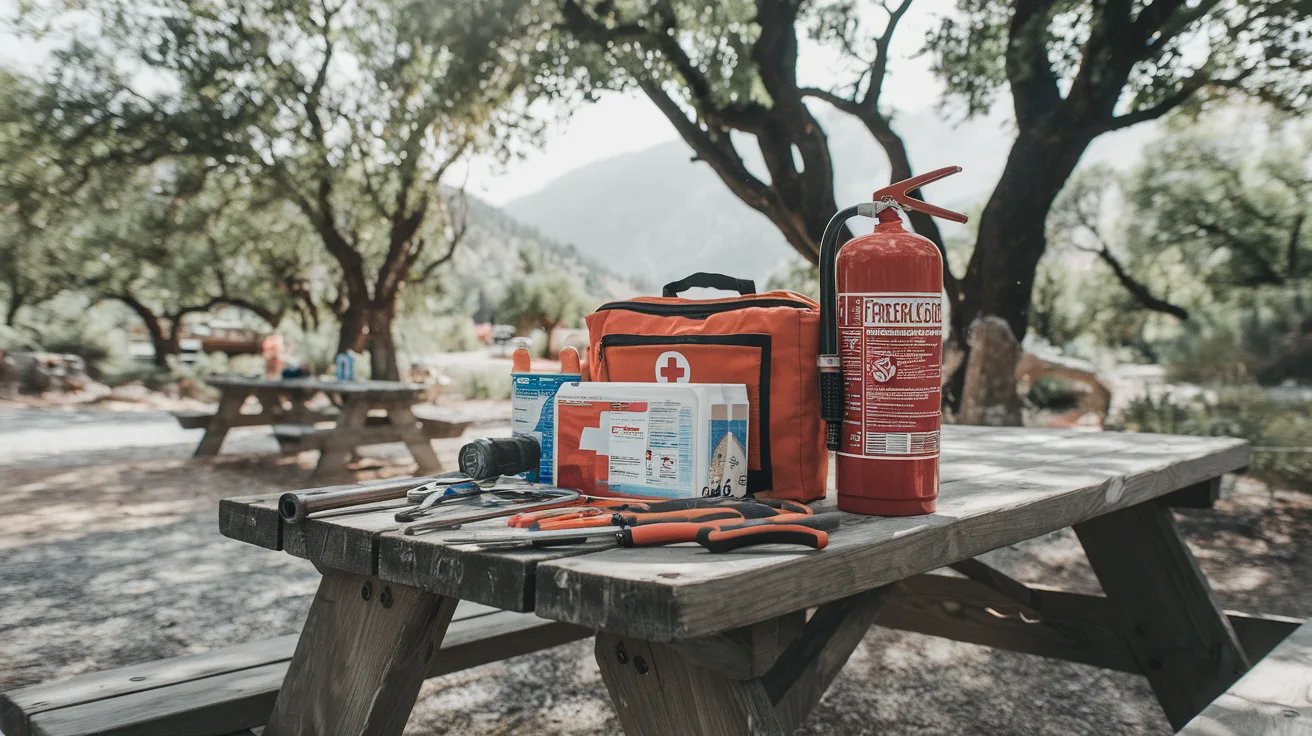
Pack basic hand tools, tire pressure gauge, RV-specific fuses, sealants, leveling blocks, and spare parts for common repair needs.
RV maintenance doesn’t pause for vacations. A basic tool kit handles minor adjustments and repairs that keep your trip moving. Include screwdrivers (Phillips and flathead), adjustable wrenches, pliers, and electrical tape.
Tire pressure changes with altitude and temperature. Under-inflated tires blow out more frequently and reduce fuel economy. Check pressure weekly, especially when climbing or descending significant elevations.
RV electrical systems use specific fuse types. Carry spares for your unit, clearly labeled by amperage. A blown fuse shouldn’t end your adventure.
Leveling blocks seem boring until you’re trying to sleep on a tilted RV. They also improve refrigerator efficiency and prevent cabinet doors from swinging open. Interlocking blocks adjust to various height needs.
Sealants and caulks address small leaks before they become major problems. Roof vents, windows, and slide-out seals take abuse from mountain weather and UV exposure.
FAQ
How much should I pack for a 10-day Colorado RV trip?
Pack for 5-7 days of clothing and plan one laundry stop mid-trip. Colorado’s casual outdoor culture means the same hiking outfit works for most activities. Focus on versatile pieces that layer well rather than extensive wardrobe options.
Do I need special gear for RV camping at 8,000+ feet elevation?
Yes, high elevation requires cold-weather sleeping gear, altitude sickness medication, extra water storage, and sun protection. Temperatures drop significantly at night even in summer, and UV exposure increases dramatically with elevation.
What food items work best for mountain RV trips?
Stock up on non-perishables, high-energy snacks, and altitude-cooking ingredients before reaching remote areas. Grocery stores become scarce in mountain communities, and prices increase significantly. Plan meals around one-pot dishes that conserve water and propane.
Should I pack differently for shoulder season Colorado travel?
Absolutely. April-May and September-October require four-season preparation despite pleasant day temperatures. Pack winter-weight clothing, extra blankets, and emergency food supplies. Weather changes rapidly, and early/late season storms catch unprepared travelers off-guard.
How do I organize gear for easy access while RV camping?
Use clear storage containers, label everything, and keep frequently used items in easily accessible locations. Create a “daily use” bin for items you’ll need every day, and store seasonal or backup gear in less accessible compartments.
What’s the most important safety item for Colorado mountain RVing?
Emergency communication devices top the list, followed by comprehensive first aid supplies and weather monitoring equipment. Cell service disappears in mountain valleys, and help can be hours away in remote areas popular with RV travelers.
Can I rent specialized equipment instead of buying for one trip?
Many outdoor gear shops in Colorado Springs rent equipment like fishing gear, hiking equipment, and winter sports items. This approach saves packing space and lets you try quality gear before purchasing. However, basic safety and comfort items should travel with you.
How much extra should I budget for altitude-related purchases?
Budget $100-200 for altitude-specific items like medication, specialized food, and additional warm clothing if you’re coming from sea level. These purchases prevent miserable experiences and potential health issues that cost much more than preparation.
Planning thoroughly beats scrambling to find gear in unfamiliar mountain towns. Colorado’s spectacular landscapes reward prepared travelers with unforgettable experiences, while poor planning leads to uncomfortable nights and missed opportunities.
The elevation, weather extremes, and remote locations around Peyton demand respect and preparation. But honestly? There’s nothing quite like watching sunrise paint the Rockies while your coffee brews in your home-on-wheels, knowing you’ve got everything needed for the day’s adventures.
Rental availability, pricing, and terms may vary by location. Contact your local Fireside RV Rentals location for current availability.