Key Takeaways
• Start with a Class C RV for your first mountain adventure – they offer better engine power for Colorado’s elevation changes and steep grades
• Practice turns, backing, and braking in empty parking lots before hitting Pikes Peak Highway or other mountain roads around Peyton
• Plan for 25-30% longer travel times in mountain terrain, and always carry extra water and emergency supplies at high altitude
• Master weight distribution and understand your RV’s limitations before attempting narrow mountain passes common in the Colorado Springs area
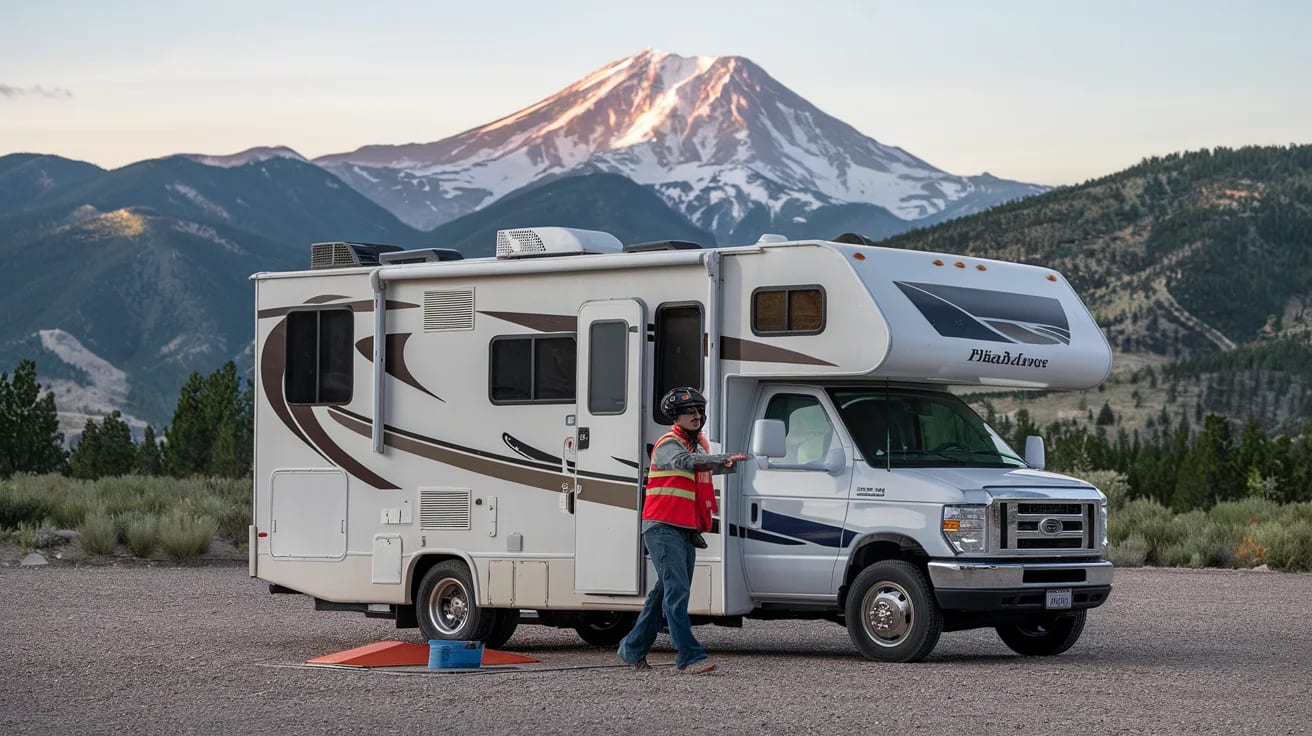
Getting behind the wheel of an RV for the first time feels like learning to drive all over again. The size, weight, and handling characteristics demand respect, especially when you’re planning to explore the mountain terrain around Peyton, Colorado.
Colorado’s high altitude and steep grades present unique challenges that catch many first-time RV drivers off guard. The good news? With proper preparation and practice, you’ll confidently handle mountain passes and enjoy everything from Paint Mines Interpretive Park to the scenic Gold Belt Tour. For comprehensive guidance on successful RV adventures, check out our RV rental tips before your first mountain journey.
What are the most important pre-trip checks for RV beginners?
Check tire pressure, fluid levels, hitch connections, and brake systems before every trip to prevent breakdowns on mountain roads.
Before you leave Peyton for your mountain adventure, walk around your entire RV with purpose. Check tire pressure when tires are cold – mountain elevation changes affect pressure significantly. Colorado’s temperature swings from morning to afternoon can change tire pressure by 10-15 PSI.
Examine all fluid levels: engine oil, transmission fluid, brake fluid, and coolant. Mountain driving works your engine harder, and overheating becomes a real concern on long grades like those leading to Cripple Creek. Test your brakes in the parking lot – you’ll need them descending mountain passes.
If you’re pulling a trailer, verify hitch pin security, safety chains, and electrical connections. The vibration from rough mountain roads can loosen connections that seemed solid at sea level. When exploring RV rentals in Peyton, ask about pre-trip inspection checklists specific to mountain travel.
How do you handle RV weight and load distribution properly?
Load heavy items low and centered, keep weight under manufacturer limits, and distribute cargo evenly to maintain stability on mountain curves.
Weight distribution becomes critical when navigating winding roads through the Colorado mountains. Load your heaviest items – water, canned goods, tools – in compartments closest to the axles and as low as possible. This lowers your center of gravity, reducing body roll on curves.
The National Highway Traffic Safety Administration recommends staying at least 10% under your RV’s gross vehicle weight rating. Mountain driving demands this margin for safety. Weigh your loaded RV at a truck stop before heading into the mountains.
Keep slide-out contents secured. Items shift dramatically on mountain grades, and loose objects become projectiles during emergency stops. Pack refrigerators and cabinets as if you’re preparing for turbulence on an airplane.
What driving techniques work best for mountain terrain?
Use lower gears for control, engine braking on descents, and maintain steady speeds rather than frequent acceleration on steep grades.
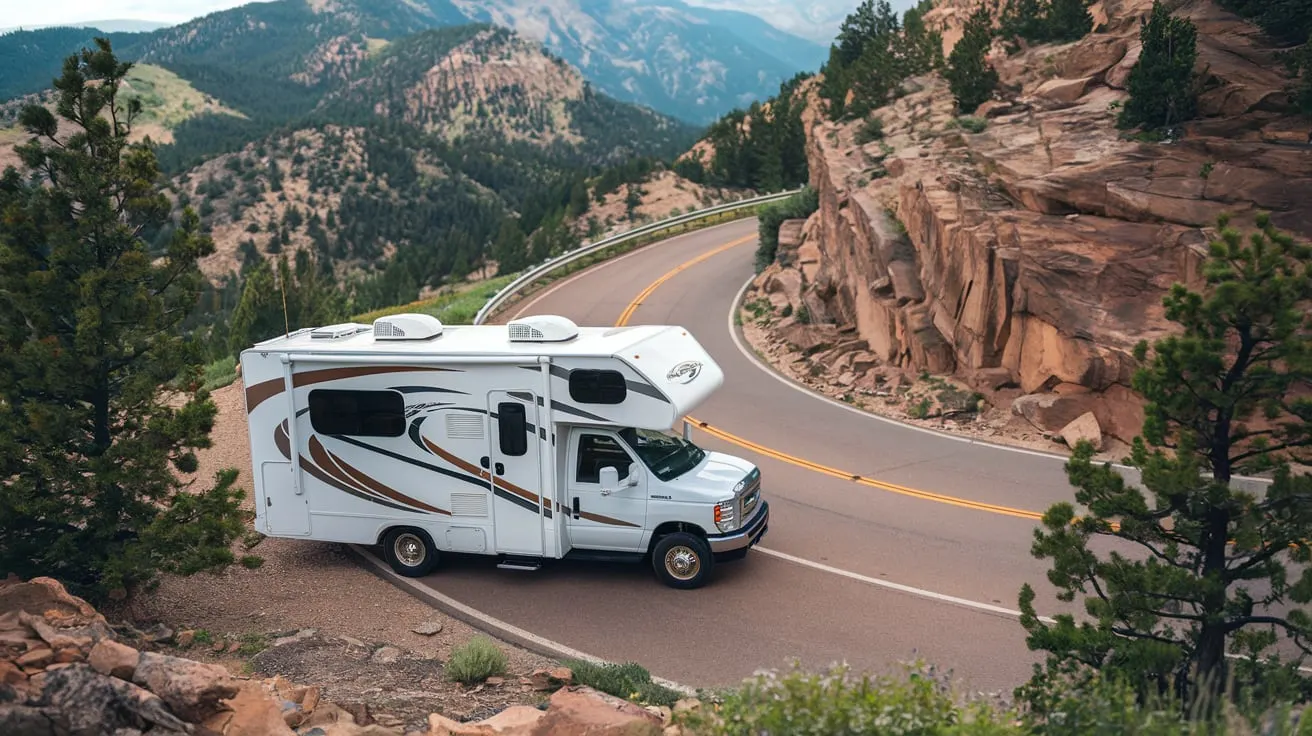
Mountain driving demands different techniques than flat highway cruising. On steep ascents, downshift before you need it. Don’t wait until your engine is lugging – anticipate the grade and drop into a lower gear while you still have momentum.
Descending mountain passes requires even more skill. Use your engine and transmission to control speed rather than riding your brakes. Select a gear that keeps you at your desired speed without touching the brake pedal for extended periods. Overheated brakes fail, and mountain rescue teams regularly help RVers who learned this lesson the hard way.
Maintain steady throttle input rather than constantly speeding up and slowing down. This technique reduces fuel consumption and engine stress while keeping traffic flowing smoothly behind you. For comprehensive driving strategies, review our RV Road Wisdom: Essential Tips for Drivers guide.
Where should beginners practice essential RV maneuvers?
Large empty parking lots, RV dealer lots, and campground practice areas provide safe spaces to master backing, turning, and parking skills.
Find the largest empty parking lot in the Colorado Springs area – many shopping centers allow practice during off-hours. Set up cones or use existing parking space lines to practice backing into sites. This skill becomes essential at popular campgrounds near Garden of the Gods or Pikes Peak.
Practice the “pull-up” method for backing into tight spaces. Don’t try to nail it in one motion. Pull forward, adjust your angle, and back again. Experienced RVers use multiple positioning moves, especially in mountain campgrounds with tight sites and trees.
Work on your turning radius understanding. Walk around your RV and observe how much space the rear wheels track inside your front wheels during turns. Mountain campground roads often have tight corners with drop-offs that don’t forgive wide swings.
How do you manage RV systems while driving?
Monitor dashboard gauges constantly, keep slides retracted, secure all loose items, and understand your RV’s electrical and water systems during travel.
Your RV’s systems work differently while driving compared to when parked. Keep all slide-outs retracted – the mechanisms aren’t designed to handle road stress. Secure cabinet doors with latches; mountain roads create constant movement that opens unsecured compartments.
Monitor engine temperature, transmission temperature, and battery voltage on your dashboard. Mountain grades push engines hard, and early warning prevents catastrophic failures miles from help. Pull over immediately if temperature gauges enter red zones.
Turn off propane systems while driving except for absorption refrigerators, which many experts recommend switching to 12V power during travel for safety. Colorado’s mountain tunnels specifically prohibit propane use, and getting familiar with these systems now prevents confusion later. Planning family RV vacations requires extra attention to these safety systems when traveling with children.
What weather conditions require extra caution for RV drivers?
High winds, sudden elevation weather changes, and afternoon thunderstorms common in Colorado mountains demand reduced speeds and increased following distance.
Colorado weather changes rapidly with elevation. Morning sun in Colorado Springs can become afternoon thunderstorms at higher elevations. Check weather forecasts for your entire route, not just your departure point. Mountain weather services provide altitude-specific forecasts that car weather apps miss.
High winds affect RVs dramatically. Sustained winds above 25 mph or gusts over 35 mph create dangerous driving conditions for large RVs. Pull over and wait out severe conditions – mountain campgrounds often have emergency shelter policies for wind events.
Afternoon thunderstorms develop quickly in summer. Plan morning departures for mountain passes, arriving at your destination before typical 2-4 PM storm development. Lightning poses serious risks to RVers, and exposed mountain roads offer little protection.
How do you handle emergency situations on the road?
Carry emergency equipment, know your insurance coverage, maintain communication devices, and practice emergency procedures before departing populated areas.
Mountain emergencies require different preparation than highway breakdowns. Carry extra water – at least one gallon per person per day for three days. High altitude dehydration happens faster than most people expect. Pack warm clothing even for summer trips; mountain temperatures drop 3-5 degrees per 1000 feet of elevation.
Maintain communication capability beyond cell phones. Many mountain areas around Peyton have poor cell coverage. Consider satellite communicators for serious backcountry travel. Inform someone of your detailed travel plans and expected arrival times.
Know your insurance and roadside assistance coverage specifics. Some policies exclude coverage on forest service roads or limit towing distances. Mountain towing costs often exceed standard coverage limits. The Good Sam Club offers specialized RV roadside assistance that covers unique RV situations.
FAQ
How much driving experience should I have before renting an RV?
Most rental companies require a standard driver’s license and recommend at least 2-3 years of driving experience. However, mountain driving around Peyton benefits from additional large vehicle experience.
Can I drive an RV with a regular driver’s license in Colorado?
Yes, RVs under 26,001 pounds gross vehicle weight require only a standard driver’s license in Colorado. Commercial licenses aren’t required for personal RV use.
What size RV is best for mountain driving beginners?
Class C RVs in the 24-28 foot range offer the best balance of power, maneuverability, and comfort for Colorado mountain roads. Avoid large Class A units for your first mountain adventure.
How do I know if my RV can handle steep mountain grades?
Check your owner’s manual for maximum grade ratings. Most RVs handle 6-8% grades safely. Pikes Peak Highway reaches 10-12% grades in sections, requiring careful consideration of your RV’s capabilities.
Should I use cruise control while driving an RV in mountains?
Avoid cruise control on steep grades and winding mountain roads. Manual throttle control provides better engine braking and allows immediate response to changing road conditions.
What’s the best time of year for beginners to try RV mountain driving?
Late spring through early fall (May-September) offers the most predictable weather and open roads. Avoid winter mountain RV travel until you gain significant experience.
How much should I budget for fuel when RV traveling in mountain terrain?
Expect 25-40% higher fuel consumption in mountain terrain compared to flat highway driving. Budget accordingly and plan fuel stops carefully, as mountain gas stations can be 50+ miles apart.
Do I need special insurance for RV mountain travel?
Standard RV insurance typically covers mountain travel, but verify coverage limits for towing and emergency evacuation. Consider supplemental coverage for extended mountain adventures.
Getting comfortable behind the wheel of an RV takes time and practice, but mastering these fundamentals opens up incredible adventures in Colorado’s mountain country. Start with shorter trips to build confidence, respect the challenges that mountain driving presents, and don’t rush the learning process. Your reward will be unforgettable experiences exploring some of America’s most spectacular scenery from the comfort of your home on wheels.
Rental availability, pricing, and terms may vary by location. Contact your local Fireside RV Rentals location for current availability.